Our method
How we choose, research and present each profile.
The Bipolar Biography Project documents the work and publicly discussed experiences of people who have disclosed a bipolar disorder diagnosis or whose diagnosis is reliably documented in the historical record.
This page explains how we select people, research their stories and present the information.
Explore the collection
“A fuller human story helps us see what’s possible.”
People
Context
Perspective
Hope
Our guiding principles
Accuracy.
Respect. Context.
We aim to create profiles that are well-sourced, balanced and human. We focus on real people and real experiences, and aim to show a broad range of what life with bipolar disorder can look like — including challenges, achievements, treatment, recovery and ongoing complexity.
Evidence over speculation
We rely on credible, verifiable sources. We do not speculate from behaviour, diagnose people, or infer symptoms, diagnoses or motives.
Diverse perspectives
We include people from different fields, cultures, backgrounds and time periods — not just well-known figures.
Humanity, not just outcomes
Many people in the collection have been very successful, but this project is not exclusively about success stories.
A broader understanding
We highlight the many ways people live with bipolar disorder, with the goal of reducing stigma and increasing understanding.
We do not try to reconcile contradictions in people’s own statements. Our role is to document what can be established, not to decide which competing account or diagnosis is correct.
Two types of profiles
Self-disclosed and
historically documented
Self-disclosed profiles
Based on the person’s own words. These profiles draw primarily on first-person sources such as interviews, essays, books, speeches or other statements, and sometimes on highly reputable sources that quote the person directly.
Historically documented profiles
Based on the historical record for people who could not self-disclose in the contemporary sense. These profiles rely on strong biographical, historical and academic sources to establish the person’s diagnosis and life story. Speculation is not enough.
Sources we use
From sources to stories
We use a range of public sources, including:
- The person’s own interviews, essays, books, speeches, or other statements for personal experiences.
- Reputable journalism quoting the person directly.
- Academic and institutional biographies.
- Authoritative professional sources.
- Strong historical or biographical sources for people who are no longer living.
Profile images
A consistent visual approach

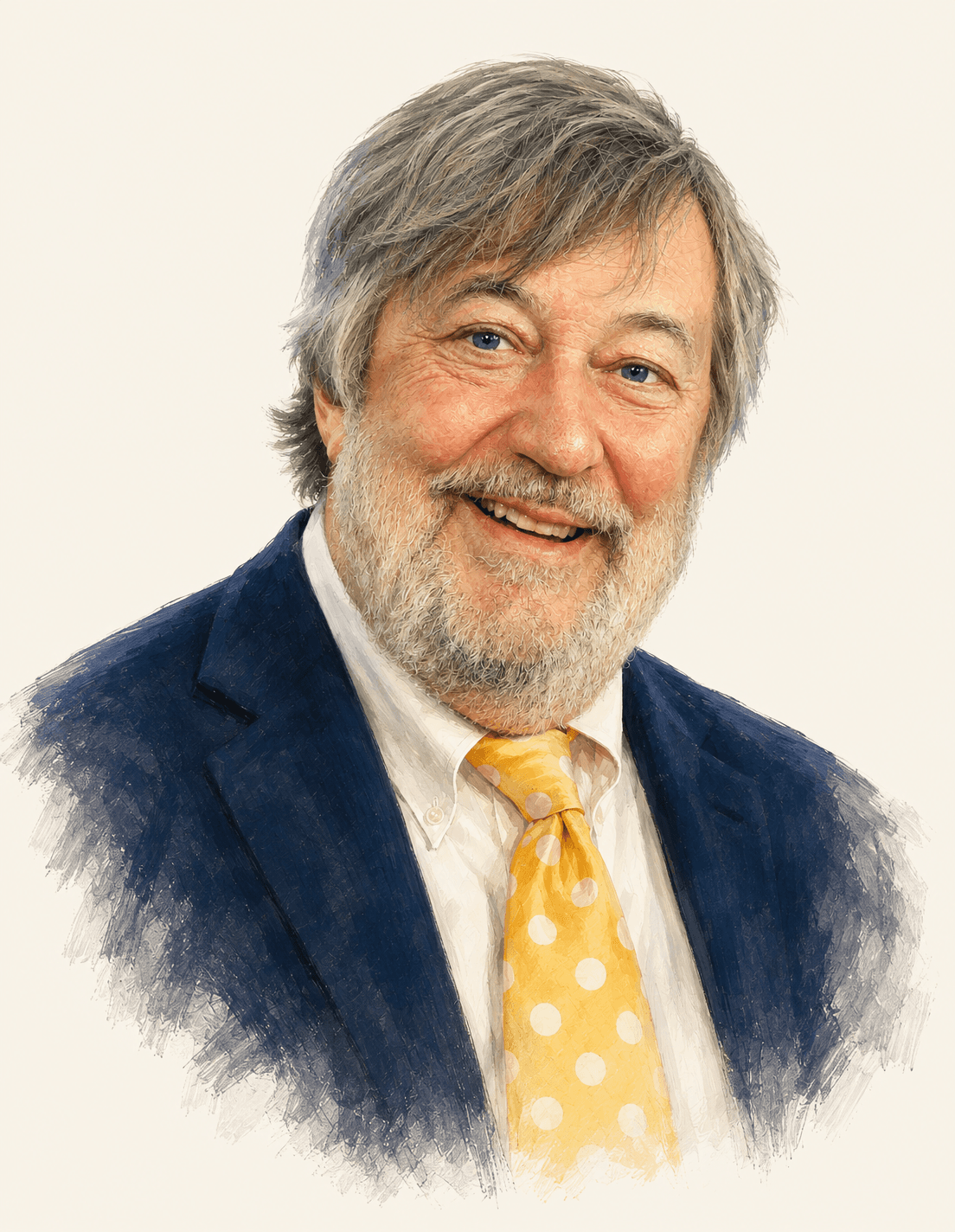

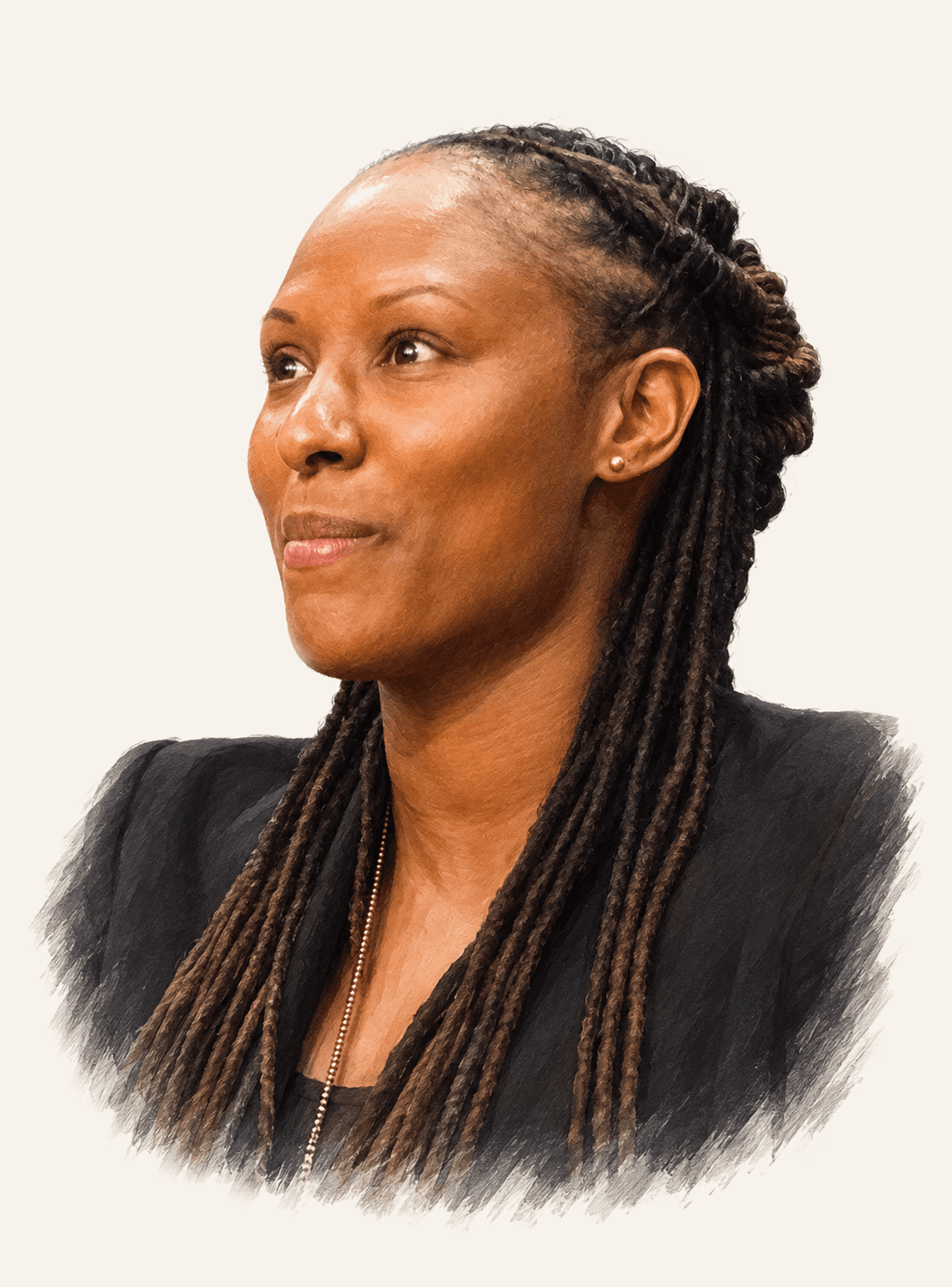
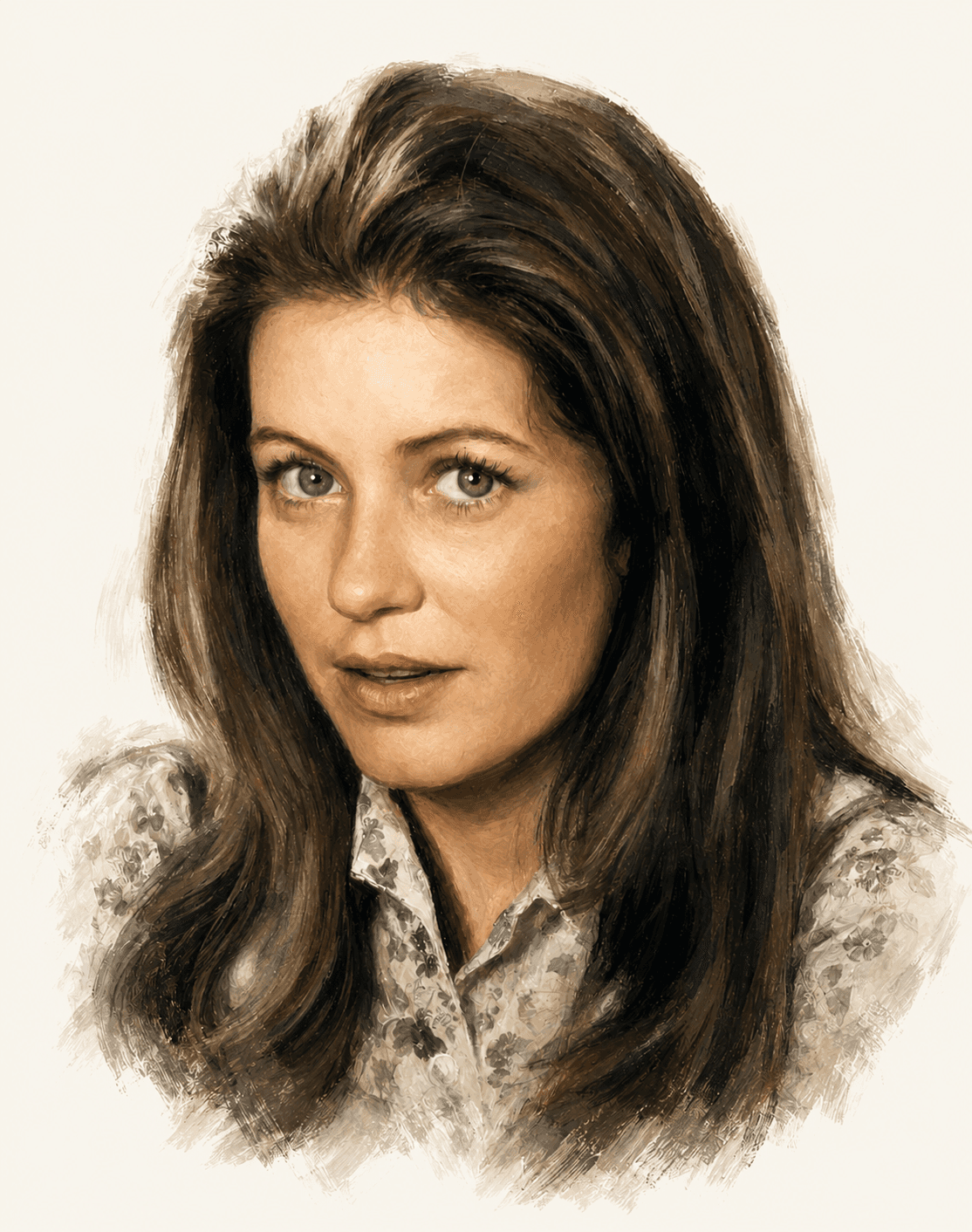
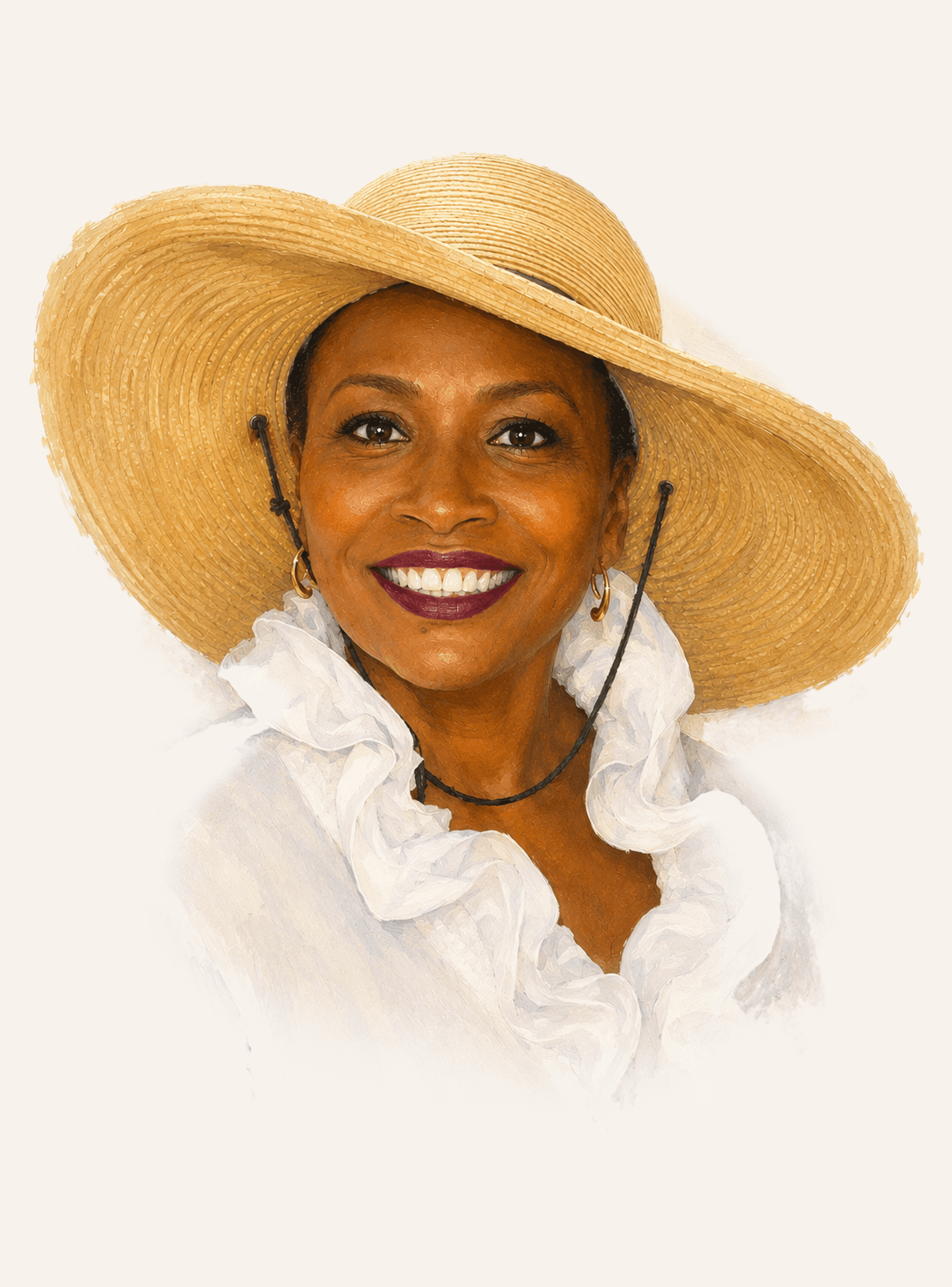
Some profiles have an associated portrait. We apply a consistent painted treatment to suitable source photographs for visual consistency across the website, helping keep the focus on each person’s story. Not all profiles have images: suitable sources, reuse rights and image availability can be limited. An image’s presence or absence does not reflect a person’s importance.
Bipolar subtypes
How we refer to diagnosis
We use Bipolar I disorder or Bipolar II disorder when the person describes their diagnosis that way or reliable sources establish the subtype. When no subtype is established, we use bipolar disorder, with unspecified bipolar disorder wording where appropriate to the source. We follow the available source language without reinterpreting or redefining the diagnosis, or inferring a subtype from behaviour.
How profiles are selected
People are included when there’s a reliable public record.
We include people when there is reliable public evidence that they have lived with bipolar disorder and enough information is available to tell their story with care and context.
The collection is not a representative sample of everyone with bipolar disorder. People with public careers, advocacy work or well-documented lives are more likely to have enough reliable information available for a profile.
We aim to include a mix of well-known public figures, people who speak frequently about bipolar disorder, and people from different professions, backgrounds, countries and walks of life. Fame or professional success is not a requirement.
We consider the context in which a disclosure occurred and may choose not to include it if it appears to have been made in a specific or limited setting and could amplify something the person may not have intended to share more broadly.
There are many people who belong here whom we have not yet added, and we welcome suggestions.
Anyone featured on the site who would prefer not to be included can request to be removed, with no questions asked.
Read more about our approachNot a ranking
How profiles are ordered
Profile order does not reflect the value of anyone’s story. Profiles are arranged to help visitors discover a broad range of people and experiences, using a mix of editorial choices and automated sorting. The order is not intended to rank people by importance, achievement, influence, or the significance of what they have lived through. Practical factors can also affect placement, including whether an image is available and how much reliable public information can be found.
Our goal is a collection that is:
- Diverse
- Engaging
- Meaningful
Our use of AI
AI assistance in our research
We use AI tools to help find relevant sources, summarize information, identify useful quotes and organize research more efficiently. All information is reviewed, verified and edited by a human researcher using the original sources. We always check important details against credible sources before publishing. AI does not make final decisions about what is included in a profile.
Despite these safeguards, mistakes can still happen. If you find information that appears inaccurate or presented out of context, please contact us and suggest a correction.