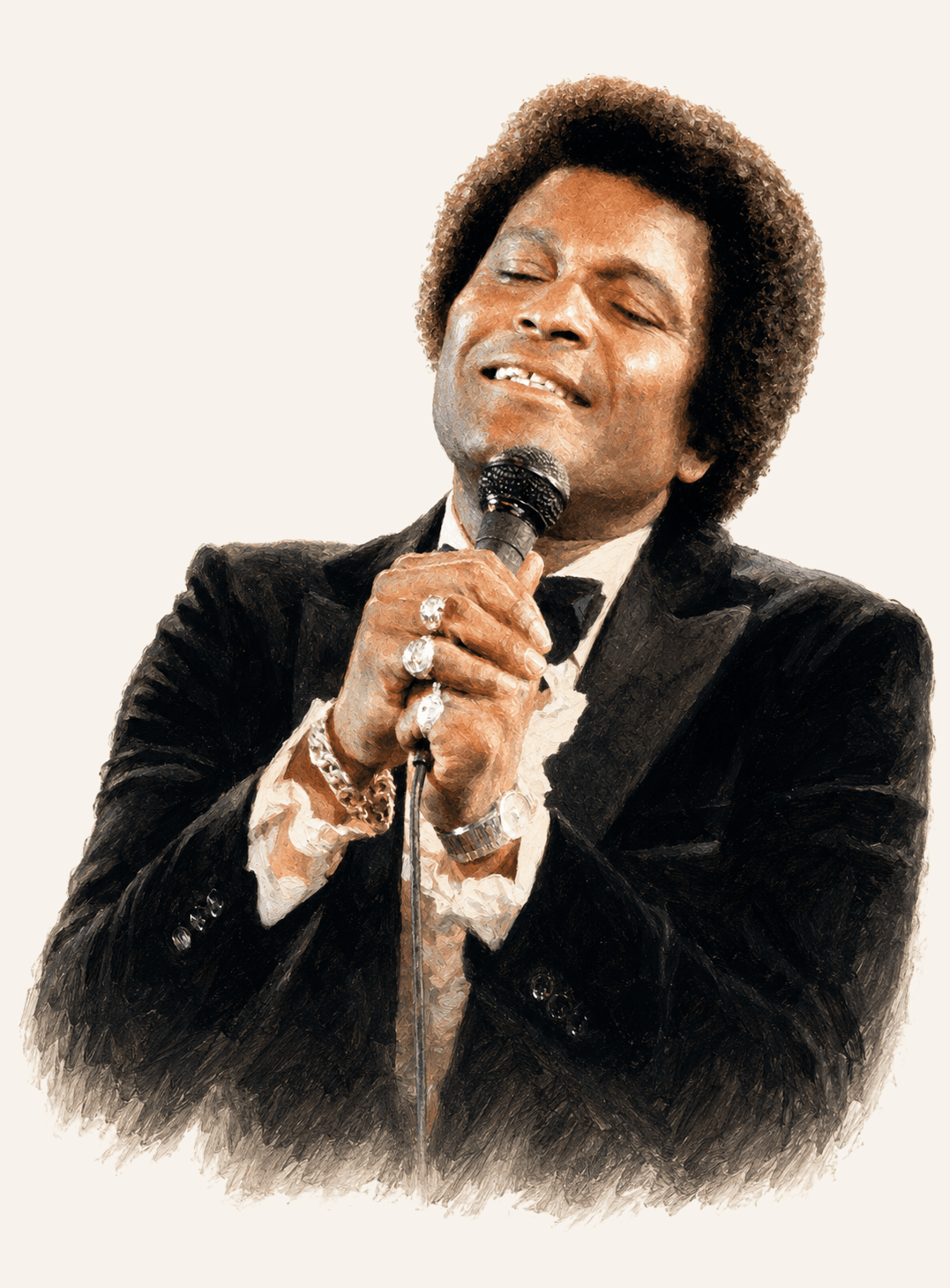
Charles Haley
FootballAdvocate
United States
Charles Haley is a former NFL linebacker and defensive end who played for the San Francisco 49ers and Dallas Cowboys. He became the first player in NFL history to win five Super Bowls and was inducted into the Pro Football Hall of Fame in 2015. [1]
Career and work
Haley was selected by the San Francisco 49ers in the fourth round of the 1986 NFL Draft and developed into one of the league’s leading pass rushers. He played linebacker and defensive end during a 12-season NFL career split between the 49ers and Dallas Cowboys. [1]
He won two Super Bowls with San Francisco and three with Dallas, becoming the first player in NFL history to win five Super Bowl championships. Haley finished his career with 100.5 sacks, was selected to five Pro Bowls, earned two first-team All-Pro selections, and was twice named NFC Defensive Player of the Year. [1]
He was inducted into the Pro Football Hall of Fame in 2015. [1]
What has been publicly discussed
- Haley was diagnosed with bipolar disorder several years after his NFL career ended. He has said the diagnosis followed a period in which he was struggling with suicidal thoughts and increasingly recognized that he needed help. [3]
- He later spoke publicly about the diagnosis in interviews and in his 2016 memoir Fear No Evil: Tackling Quarterbacks and Demons on My Way to the Hall of Fame. Haley has said that stigma and his reluctance to admit he had a mental illness had previously made it difficult for him to seek help. [2]
- Haley has described struggling with severe mood and behavioural changes throughout much of his life and NFL career. He said that problems that had been present since childhood worsened in college and again in the NFL, where he became known for an intense temper, confrontations and difficulty trusting or allowing people close to him. Looking back, Haley has said that an earlier diagnosis might have improved his relationships with teammates and coaches. [2]
- He has also spoken openly about suicidal thinking during and after his football career. Haley said there were many times when he considered killing himself, including thoughts of driving off a bridge or making his death appear accidental. After retirement, a frightening outburst in front of his children helped convince him that he needed to seek treatment. [2]
- After deciding to seek help, Haley said he went to a diagnostic center, where he stayed while clinicians adjusted his medication. He then attended a bipolar depression treatment center in Minnesota, where he learned strategies for managing his illness. [3]
- Haley has acknowledged that he initially resisted taking medication. He later said that accepting that he had a mental illness, getting professional help and taking his medication were important turning points in his treatment. [4]
- Haley has said that finding effective medication and learning how to recognize his mood cycles helped him become more stable. In 2012, after years of difficulty with treatment, he entered the La Paloma Treatment Center in Memphis and found a treatment approach that he said worked for him. [5]
- He has described managing bipolar disorder as an ongoing process rather than something that has disappeared. He pays attention to changes in mood, stress and how much he is taking on, and has said that medication remains central to maintaining stability. [7]
- Since speaking publicly about his diagnosis, Haley has become an advocate for mental health awareness, particularly around the stigma that can prevent men from seeking help. He has said that fear and shame kept him from acknowledging his illness earlier and has encouraged others to seek professional help rather than hide what they are experiencing. [2]
- He has spoken about bipolar disorder at mental-health events, including programs with the Menninger Clinic and the National Alliance on Mental Illness. Haley has emphasized that bipolar disorder is something he expects to manage for the rest of his life and that he no longer feels ashamed of the diagnosis. [6]
“Silence is a killer. Being bipolar is something I'm going to deal with for the rest of my life and I'm not ashamed of it.”
— Charles Haley [6]

Sources and other resourcesExpand to view the sources used in this profile and resources to learn more.
Sources used for this profile
The following sources contain information that supports the claims made on this page.
Pro Football Hall of FameCharles Haley Provides career information including Haley’s NFL teams, five Super Bowl championships, Pro Bowl and All-Pro selections, career sack total, and Hall of Fame induction.
Sports Illustrated / The MMQBCharles Haley opens up about bipolar disorder A substantial interview covering Haley’s bipolar diagnosis, suicidal thinking, behaviour during his playing career, reluctance to seek help, and later decision to speak publicly about mental illness.
InterviewSFGateKNBR conversation with Charles Haley Supports Haley’s diagnosis, treatment history, medication, and reflections on recognizing that he needed professional help.
Interview
View all 7 sources
CBS New YorkCharles Haley discusses his temper and bipolar disorder Supports Haley’s account of initially resisting medication and later accepting treatment as part of managing his illness.
WBUR, Only A GameCharles Haley: Fear No Evil Covers Haley’s later treatment, including his experience at La Paloma Treatment Center, and his reflections on living with bipolar disorder.
The Menninger ClinicMenninger Signature Luncheon tackles stigma with Charles Haley Documents Haley’s mental-health advocacy and contains his statement that bipolar disorder is something he expects to manage throughout his life and is no longer ashamed of.
RGRG
Learn more
Recommended books and other resources about Charles Haley and their experiences.
- Fear No Evil: Tackling Quarterbacks & Demons on My Way to the Hall of FameBook · Charles Haley with Jeff Sullivan
Haley’s memoir about his NFL career, the behaviour and conflicts that marked much of it, his eventual bipolar diagnosis, treatment, and later efforts to understand and manage the illness.
- Charles Haley: 5 Super Bowl Rings — And A Lifelong Battle With Bipolar DisorderInterview · WBUR, Only A Game
A roughly ten-minute interview in which Haley discusses his football career, bipolar disorder, treatment, and the mistakes he hopes others can avoid.
- NFL Hall of Famer Charles Haley Bares Soul, Offers Life LessonsInterview · KPIX / CBS San Francisco
A longer interview focused on Haley’s life beyond football, including his bipolar diagnosis and his reflections on behaviour, relationships and mental health.
- Charles Haley discusses bipolar disorder and mental healthInterview · CBS Texas, 2022
A later interview in which Haley talks about living with bipolar disorder, stigma and why he now speaks publicly about mental health.