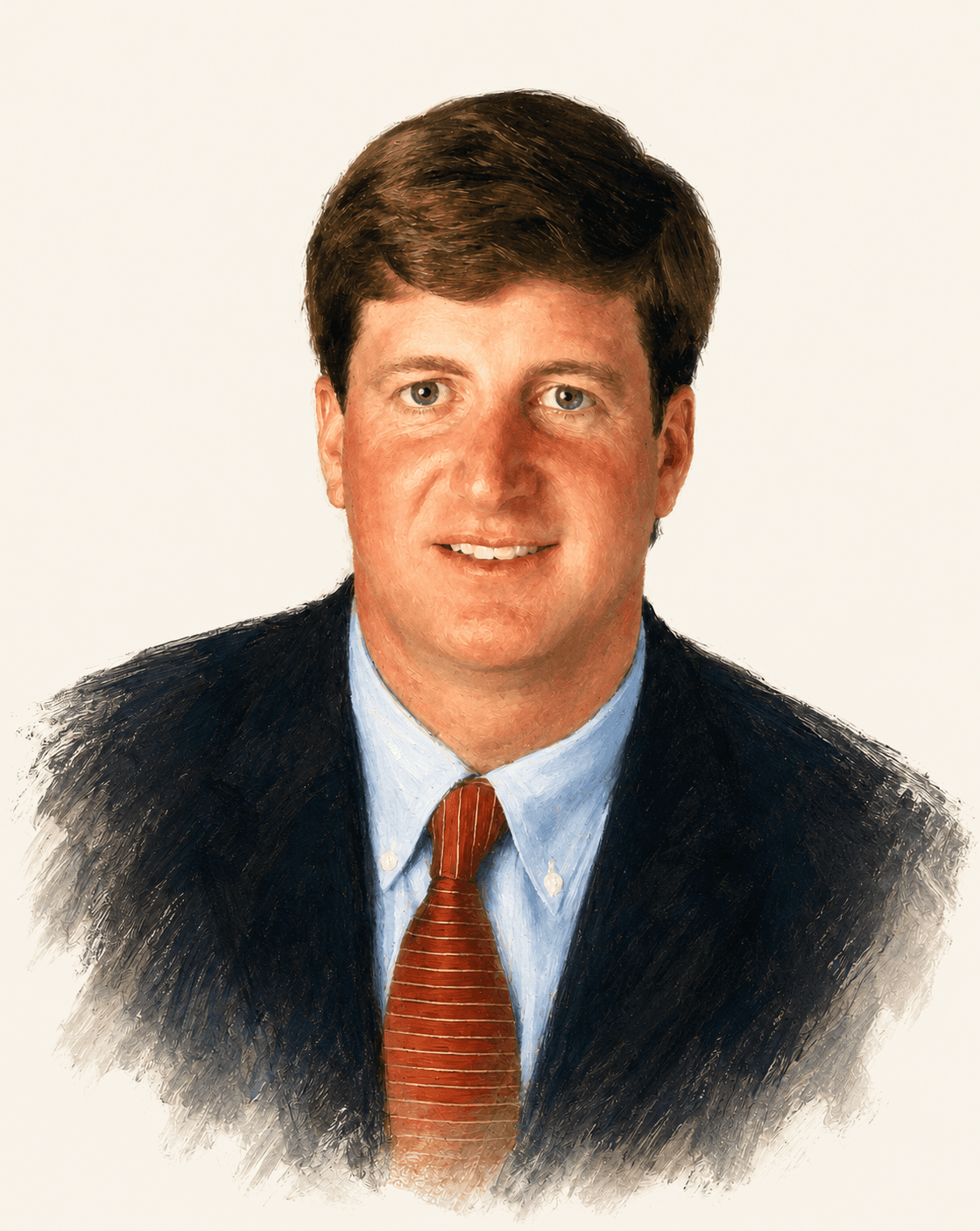
The Bipolar Biography Project

Robert O. Boorstin

Policy advisorUnited States

Policy advisorUnited States

Bipolar disorderSelf-disclosed[1]

Robert O. Boorstin is an American policy advisor who served in senior communications and foreign-policy roles during the Clinton administration and later worked in public policy at Google. He also helped establish the Center for American Progress. [2]

More people like Robert O. Boorstin

Career and work

Boorstin has worked across government, journalism, technology and public policy. During the Clinton administration, he served in senior communications and foreign-policy roles, including as President Bill Clinton’s national-security speechwriter and as an adviser in the Treasury and State departments. [2]

After leaving government, he helped establish the Center for American Progress and ran its national-security program. He later spent more than seven years as a director of public policy at Google. Earlier in his career, he worked as a reporter for The New York Times. [2]

What has been publicly discussed

  • Boorstin was diagnosed with manic depression, the term then commonly used for bipolar disorder, in 1987 while working as a reporter for The New York Times. He disclosed the diagnosis when he was hired to work on Michael Dukakis’s presidential campaign and later spoke publicly about living with the illness. [1]
  • Boorstin experienced a major episode in 1987 and a second manic and delusional episode in April 1988. During the 1988 episode, he was hallucinating and was arrested by security before being taken to Massachusetts General Hospital. He was subsequently transferred to McLean Hospital for psychiatric treatment. [4][3]
  • After his 1988 hospitalization, Boorstin was treated with mood-stabilizing medication and outpatient therapy. Contemporary reporting specifically documents lithium as one of the medications he took. [4][3]
  • By April 1993, Boorstin had not experienced another manic-depressive episode since his hospitalization five years earlier. He nevertheless remained watchful for recurrence and continued to regard the illness as something requiring ongoing management. [4]
  • In later discussions, he continued to acknowledge the possibility of future episodes rather than presenting the condition as permanently resolved. [5]
  • Boorstin became a public advocate for mental-health coverage after his insurer initially refused to cover part of his psychiatric hospitalization. He said that experience turned him into a “crusader and advocate” for people with mental illness. [4]
  • While working on health-care reform at the White House, Boorstin argued that mental illness should receive the same consideration as physical illness in health insurance and spoke publicly about his own diagnosis in an effort to reduce stigma. [4][3]

“The thought of being without your mind is a lot scarier than being without anything else.”

Robert O. Boorstin [5]
Sources and other resourcesExpand to view the sources used in this profile and resources to learn more.

Sources used for this profile

The following sources contain information that supports the claims made on this page.

  1. Harvard Business Review“Managing a Manic-Depressive”

    Boorstin’s first-person account of his diagnosis, professional disclosure and experience working while living with manic depression.

  2. Stimson CenterRobert O. Boorstin

    Professional biography covering his journalism, Clinton administration, Center for American Progress and Google roles.

View all 5 sources
  1. The Boston Globe, preserved by the Clinton Presidential Library“Clinton aide eases stigma of mental health care”

    Contemporary profile covering his 1988 manic episode, McLean hospitalization, medication, therapy, subsequent period without another episode and insurance advocacy.

  2. The New Yorker“Anatomy of Melancholy”

    Includes Boorstin reflecting on manic depression, recurrence and the fear of losing control of his mind.

Learn more

Recommended books and other resources about Robert O. Boorstin and their experiences.

More people like Robert O. Boorstin

The Bipolar Biography Project is an educational project. We document what people have said publicly and provide sources for transparency. We do not provide medical advice.

Profile status: Published