The Bipolar Biography Project
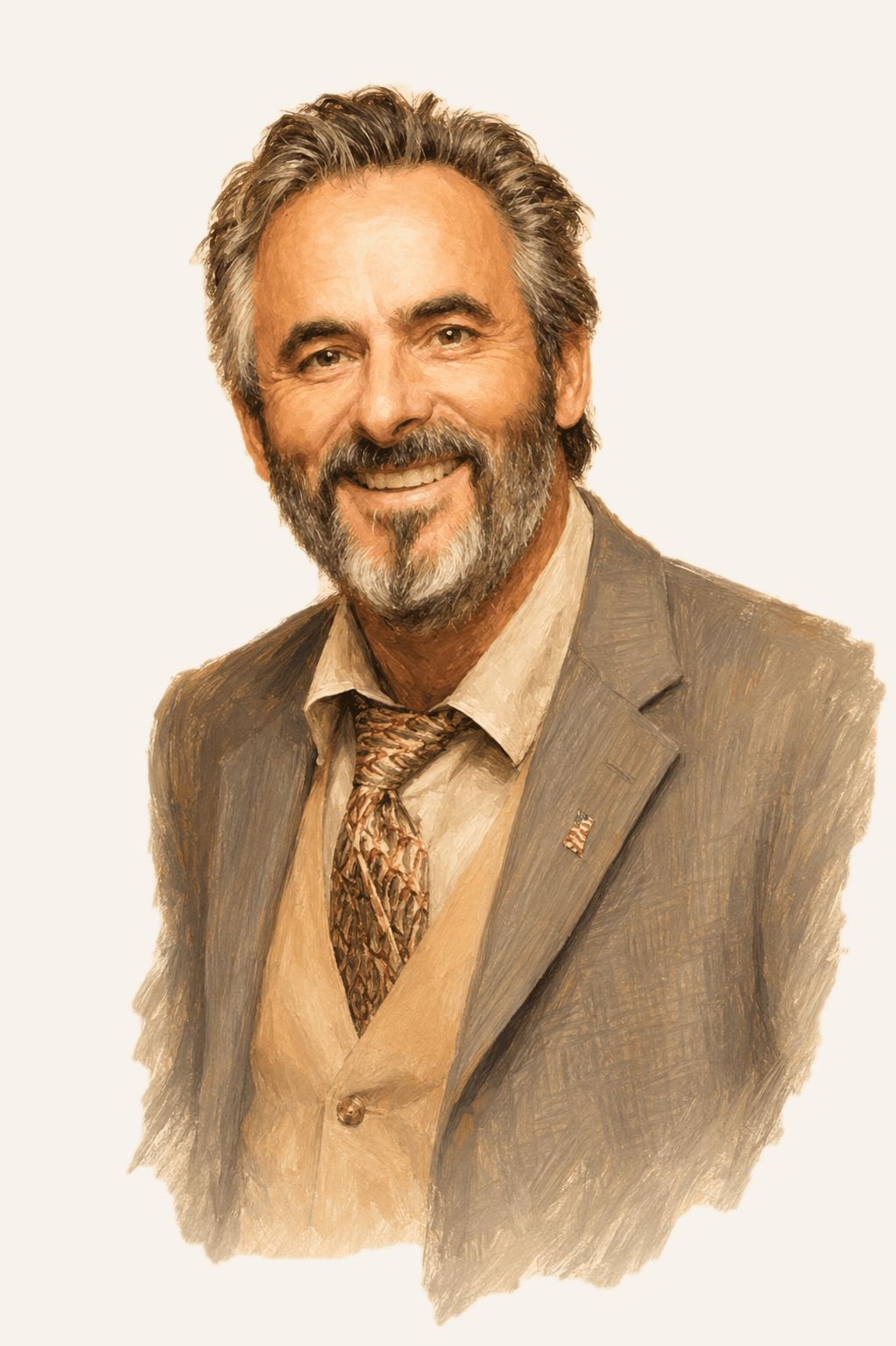
Painted portrait of David Feherty
Photo: JRussellTexas · CC BY-SA 4.0 · Cropped and modified by The Bipolar Biography Project

David Feherty

GolferCommentatorUnited Kingdom

GolferCommentator

United Kingdom

Bipolar I disorderSelf-disclosed[3]

David Feherty is a Northern Irish former professional golfer. During his playing career, he won five European Tour events and represented Europe in the 1991 Ryder Cup; after retiring in 1997, he became an on-course reporter and analyst, later hosting the Golf Channel interview series Feherty. [1][2]

More people like David Feherty

Career and work

Feherty played professional golf primarily on the European Tour, where he won five events. He also recorded ten victories worldwide, captained Ireland to victory in the 1990 Alfred Dunhill Cup and represented Europe in the 1991 Ryder Cup, defeating Payne Stewart in his singles match. [1]

After retiring from professional golf in 1997, Feherty moved into television. He spent nearly two decades as an on-course reporter for CBS before joining NBC Sports and Golf Channel in 2016. He also hosted the interview series Feherty, which ran for ten seasons and featured golfers, athletes, entertainers and political figures. [2][12]

What has been publicly discussed

  • Feherty has said that beginning therapy and receiving a bipolar diagnosis was a “revelation,” because it helped explain experiences he had struggled to understand. [9]
  • He has since spoken openly about having bipolar I disorder in interviews, public appearances and his stage show. [3]
  • Feherty has described his moods as capable of shifting abruptly. During one stage appearance, he said that earlier that day he had suddenly begun crying and, about 15 minutes later, found himself laughing. He has also described persistent difficulty sleeping, sometimes getting only a few hours of sleep a night or none at all. [3]
  • During periods when he was severely unwell, Feherty described withdrawing socially, struggling to get out of bed, experiencing intense physical pain and having disturbing hallucinations. [10]
  • In later interviews, he said sadness remained a recurring part of his life even when treatment was helping him manage bipolar disorder. [8]
  • Feherty has described psychiatric medication as an important part of managing bipolar disorder and depression. In 2013, he said his daily regimen included antidepressants, mood stabilizers and other psychiatric medications. [4]
  • He has also spoken strongly about continuing prescribed treatment. Drawing on his own experience, Feherty has warned against abruptly stopping psychiatric medication, saying deterioration can happen very quickly. [11]
  • Feherty has also spoken openly about addiction alongside his experiences with bipolar disorder and depression. He has described longstanding alcohol and drug addiction and has credited other golfers, particularly Tom Watson, with helping him enter recovery. [5]
  • Feherty has described bipolar disorder and depression as conditions he continues to manage rather than problems he has overcome permanently. He has said that medication helps control his symptoms, but that sadness remains a recurring part of his daily life. [8]
  • Feherty has described addiction as an ongoing struggle and has relied on support from people close to him during difficult periods. Despite continuing periods of depression, Feherty has said that he loves his life and has continued working while managing the illness. [6]
  • Feherty has used interviews, public appearances and his stage work to speak openly about bipolar disorder, depression, addiction and sobriety. He has described doing so partly because he believes people benefit from hearing serious mental-health problems discussed plainly rather than treated as shameful or hidden. [7]
  • He has also been outspoken about the importance of staying in treatment. Drawing on his own experience, Feherty has warned against abruptly stopping psychiatric medication, saying deterioration can happen very quickly. [11]

“The thought of my honesty perhaps being of help to somebody else is therapeutic to me.”

David Feherty [7]
Sources and other resourcesExpand to view the sources used in this profile and resources to learn more.

Sources used for this profile

The following sources contain information that supports the claims made on this page.

  1. DP World TourDavid Feherty

    Provides Feherty’s professional golf record, including five European Tour victories, his captaincy of Ireland in the 1990 Alfred Dunhill Cup, his appearance for Europe in the 1991 Ryder Cup and his later work as a television commentator.

    article or webpage
  2. CBS NewsDavid Feherty

    Provides career background on Feherty’s transition from professional golf to broadcasting.

    article or webpage
View all 12 sources
  1. Golf Digest, 2018Smiling Through The Tears: David Feherty on Comedy and Tragedy

    Covers Feherty’s continuing experience with bipolar disorder and depression, psychiatric medication, support from people close to him, addiction and his description of continuing to value his life despite recurring sadness.

    article or webpage
  2. The Irish TimesThe captivating class clown of commentary

    Contains Feherty’s descriptions of severe depression, social withdrawal, difficulty getting out of bed, physical pain and hallucinations.

    article or webpage

Learn more

Recommended books and other resources about David Feherty and their experiences.

More people like David Feherty

The Bipolar Biography Project is an educational project. We document what people have said publicly and provide sources for transparency. We do not provide medical advice.

Profile status: Published