The Bipolar Biography Project
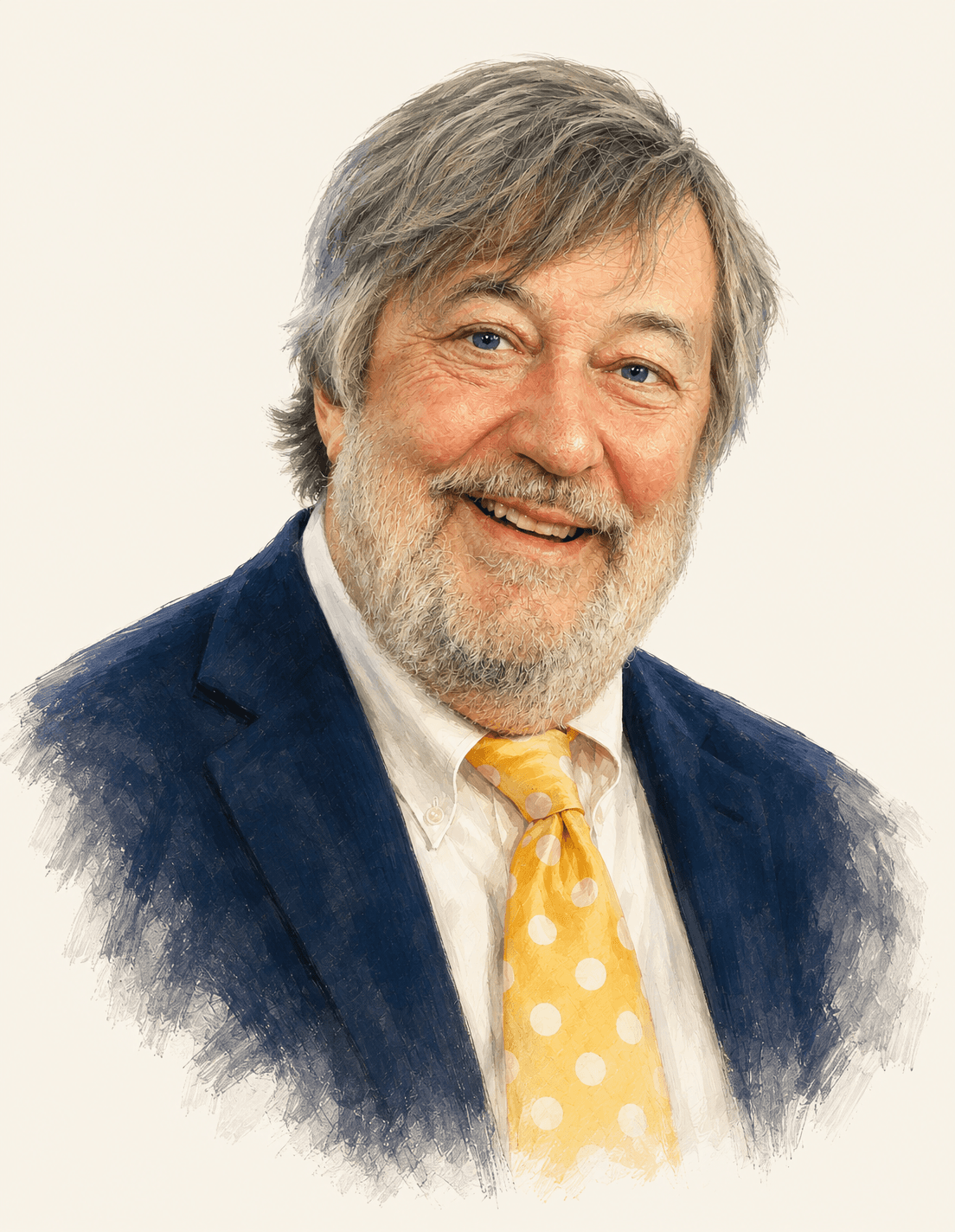
Painted portrait of David Harbour
Photo: Gage Skidmore · CC BY-SA 2.0 · Cropped and modified by The Bipolar Biography Project

David Harbour

ActorUnited States

ActorUnited States

Bipolar disorderSelf-disclosed[1]

David Harbour is an American actor best known for playing Jim Hopper in Netflix’s Stranger Things. His career spans television, film, and theatre, with film roles including Hellboy, Black Widow, Thunderbolts and Violent Night. [7]

More people like David Harbour

Career and work

Harbour built his early career in theatre, film, and television. On Broadway, he appeared in productions including The Rainmaker, The Invention of Love, The Coast of Utopia, and Who’s Afraid of Virginia Woolf?. His performance as Nick in the 2005 revival of Who’s Afraid of Virginia Woolf? earned him a Tony Award nomination for Best Featured Actor in a Play. [6]

He became widely known for playing police chief Jim Hopper in Netflix’s Stranger Things. The role earned him Primetime Emmy nominations for Outstanding Supporting Actor in a Drama Series in both 2017 and 2018. [7]

Harbour’s film work includes playing the title role in Hellboy, Santa Claus in Violent Night, and Alexei Shostakov, the Red Guardian, in the Marvel Cinematic Universe films Black Widow and Thunderbolts.

What has been publicly discussed

  • Harbour has publicly identified himself as having bipolar disorder. He has said that he was diagnosed at age 25 after experiencing a manic episode. [2]
  • He has continued to speak openly about bipolar disorder in later interviews. In 2026, he discussed a recent breakdown and the effect that extreme stress can have on his mental health. [4]
  • Harbour has described a manic episode in his mid-twenties that developed during a period of intense interest in religion and spirituality. He became convinced that he was connected to God and had suddenly found answers to fundamental questions. His parents took him to a psychiatric hospital, where he was subsequently diagnosed with bipolar disorder. [2]
  • In 2026, Harbour also disclosed that he had recently experienced another breakdown during a period of extreme stress. He described episodes of depression and mania as confusing both for the person experiencing them and for people around them, and said that extreme stress can lead him to behave in ways he later finds embarrassing. [4]
  • Harbour has said that he continues to take medication for bipolar disorder. He has also described psychoanalysis as particularly important to his stability, saying in 2019 that after four years of psychoanalysis he had been stable for that same period, whereas medication alone had not prevented recurring problems earlier in his life. [3]
  • Harbour has said that spirituality and meditation can contribute to manic thinking for him and therefore are not helpful ways for him to manage his mental health. [2]
  • In 2019, Harbour said he had been “very stable” for four years after experiencing recurring difficulties earlier in adulthood. [3]
  • In 2026, he said that a period of extreme stress had again affected his mental health, but that he was feeling better by the time of the interview. [4]
  • Harbour has said that mental illness should be discussed more openly and treated as an ordinary part of human life rather than something shameful or extraordinary. He has pointed out that most people know someone affected by mental illness and has described speaking publicly about bipolar disorder as a way of helping normalize those conversations. [3]
  • He has also said that his own experiences have given him greater empathy for people who feel lost, isolated, or misunderstood. Harbour has connected that perspective to his acting, particularly his interest in portraying characters who feel like outsiders. [3]

“My mental health disorder is something I live with, but it does not define me.”

David Harbour [5]
Sources and other resourcesExpand to view the sources used in this profile and resources to learn more.

Sources used for this profile

The following sources contain information that supports the claims made on this page.

  1. SELF, 2018

    Covers the manic episode leading to diagnosis, hospitalization, spirituality, and meditation.

    article or webpage
  2. NPR / Fresh Air, 2019

    Covers medication, psychoanalysis, stability, empathy, disclosure, and stigma.

    podcast or transcript
View all 7 sources
  1. Variety, 2026

    Covers a recent breakdown, extreme stress, mania, depression, and later improvement.

    interview
  2. Playbill

    Documents Harbour’s Broadway career and Tony nomination.

    article or webpage

Learn more

Recommended books and other resources about David Harbour and their experiences.

More people like David Harbour

The Bipolar Biography Project is an educational project. We document what people have said publicly and provide sources for transparency. We do not provide medical advice.

Profile status: Published