Career and work
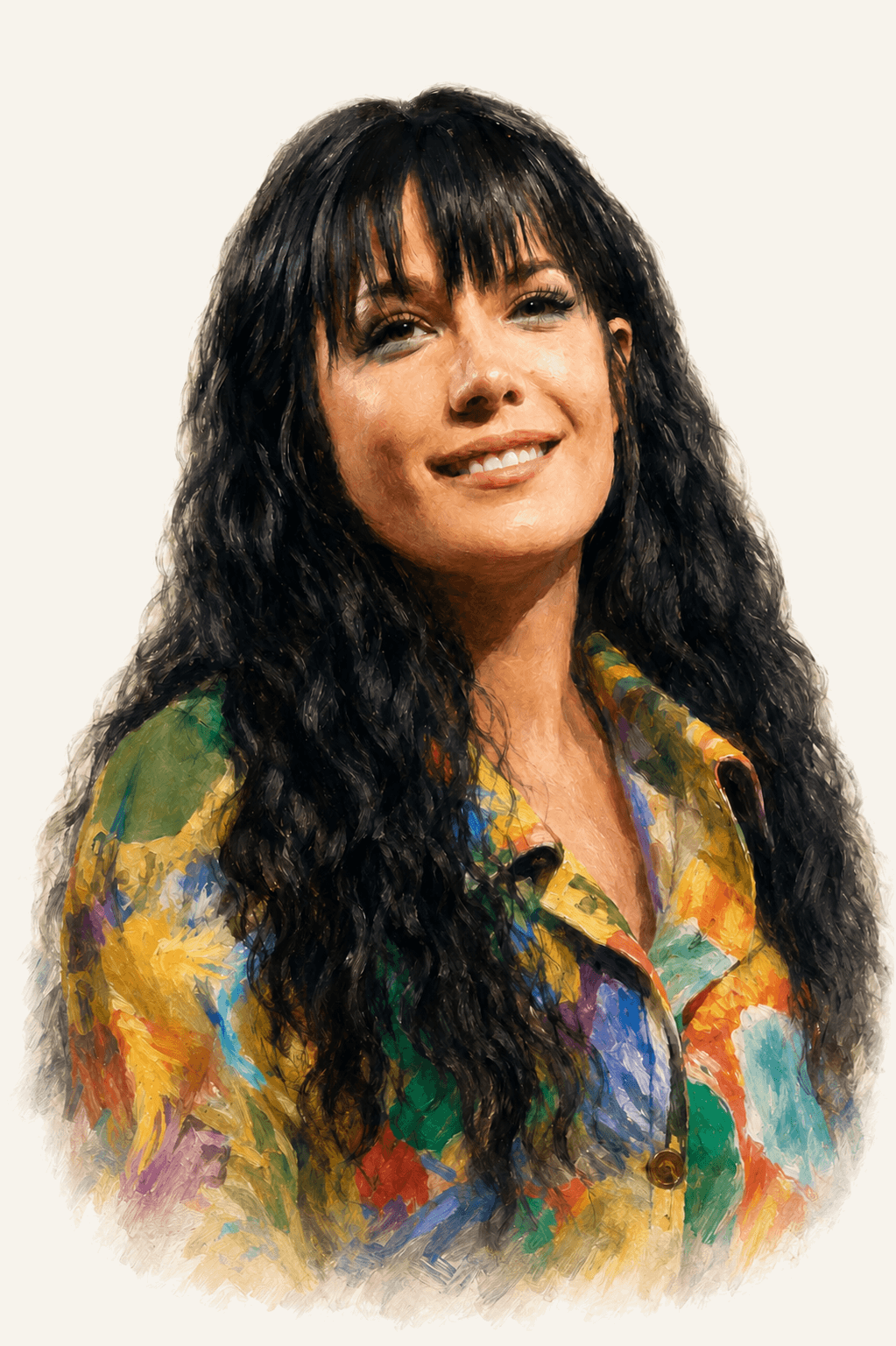
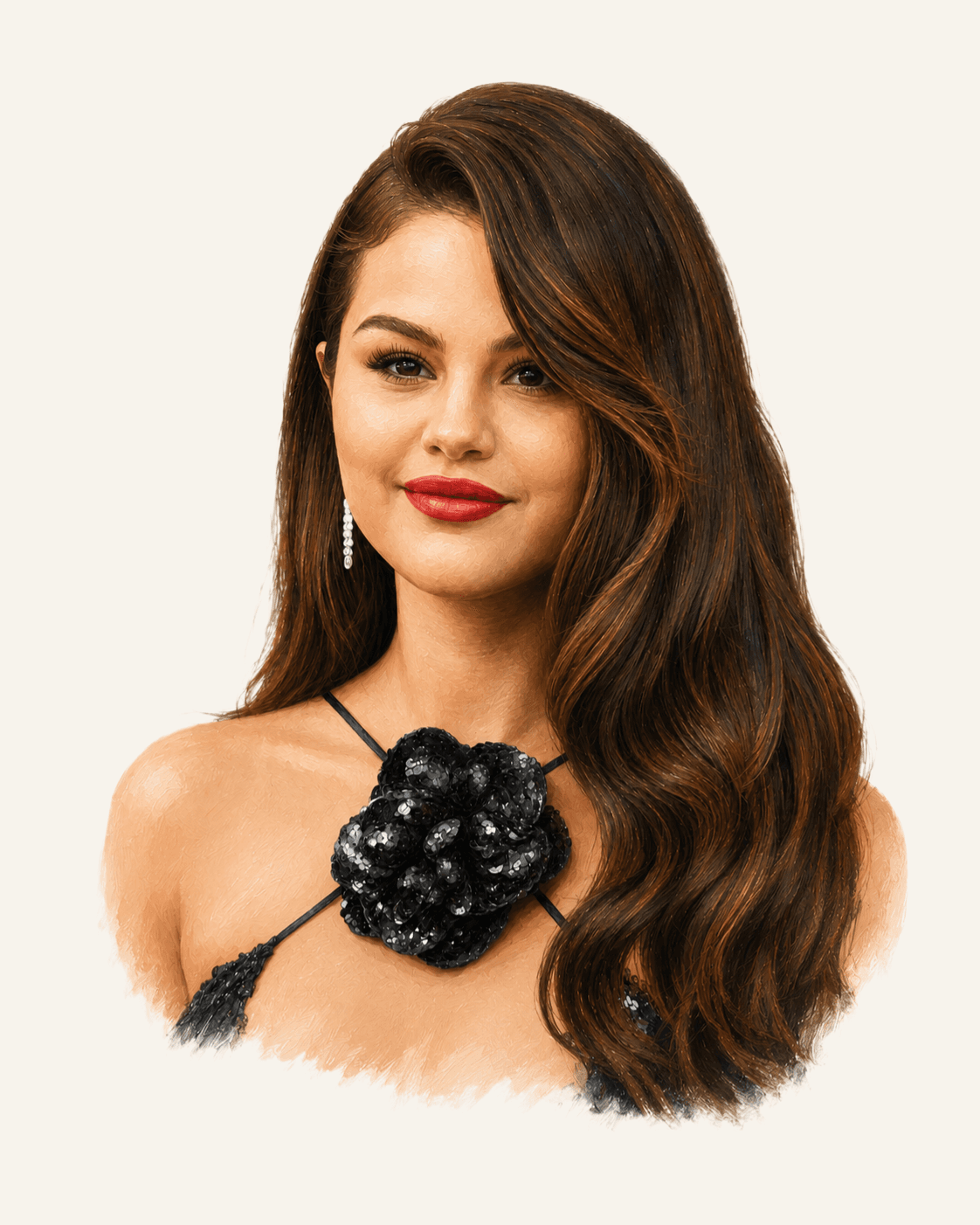
Halsey released her debut album, Badlands, in 2015; it debuted at No. 2 on the Billboard 200. Her second album, Hopeless Fountain Kingdom, followed in 2017 and reached No. 1. [8]
Her later albums include Manic (2020), If I Can’t Have Love, I Want Power (2021), and The Great Impersonator (2024). All five of her studio albums have reached the top two of the Billboard 200. If I Can’t Have Love, I Want Power received a Grammy nomination for Best Alternative Music Album, one of three Grammy nominations Halsey has received. [7][6]
What has been publicly discussed
- Halsey has publicly said that she has bipolar disorder. In a 2015 interview with ELLE, she said she had been diagnosed at 16 or 17 and described the interview as the first time she had spoken publicly about the diagnosis in an interview. The interview does not identify her diagnosis as either bipolar I or bipolar II. [1]
- Halsey has described experiencing both manic periods and depression. In a 2016 Rolling Stone interview, she described a manic day as one when she wanted to go out, drink, talk all night, help other people, and “change the world.” [2]
- In 2019, she described being in a prolonged manic period and said that, although the mania was still affecting her, she had become better at recognizing when she needed help. She also described mania as involving impulses that can override “logic and reason,” and said she knew periods of depression would eventually follow. [3]
- Halsey has also publicly discussed psychiatric hospitalization. She told Rolling Stone that at 17 she attempted suicide, spent 17 days in a psychiatric hospital, and was diagnosed with bipolar disorder. [2]
- In 2019, she said that during her career as Halsey, she had voluntarily admitted herself to psychiatric hospitals twice without the public knowing, seeking help when she became concerned that her condition could escalate. [3]
- Halsey has described her approach to medication changing over time. In a 2016 Rolling Stone interview, she said she had been prescribed lithium after being diagnosed as a teenager but had stopped taking medication, saying that lithium had been a negative experience for her. [2]
- For several years, Halsey said she avoided medication partly because she worried it would interfere with her creativity. During the COVID-19 lockdown in 2020, however, she began taking medication again. She later told TIME that the change had been significant for her, saying, “It has changed my life.” [5]
- Halsey has spoken openly about bipolar disorder partly to challenge misconceptions about mental illness. When she first disclosed her diagnosis in a 2015 ELLE interview, she said she wanted to address the way women with mental illness can be stereotyped or fetishized. [1]
- She has also described adjusting her life around the condition rather than expecting herself to function as though it were irrelevant. In a 2018 Marie Claire interview, she said, “I don’t manage my mental illness to keep up with my lifestyle; I manage my lifestyle to keep up with my mental illness.” [4]
- Halsey has also described a responsibility to document parts of her life publicly, including aspects of her mental health. [5]
“I started taking medication … It has changed my life.”
— Halsey [5]
Sources and other resourcesExpand to view the sources used in this profile and resources to learn more.
Sources used for this profile
The following sources contain information that supports the claims made on this page.
“Halsey Opens Up About Being a Reluctant Role Model” — ELLE, 2015 A direct interview covering Halsey’s bipolar diagnosis, age at diagnosis, first public interview disclosure, and views on stereotypes surrounding mental illness.
profile or biography“Halsey’s Life of Passion and Chaos” — Rolling Stone, 2016 Covers Halsey’s suicide attempt, psychiatric hospitalization, diagnosis, lithium treatment, and description of mania.
article or webpage“Halsey: A Rebel at Peace” — Rolling Stone, 2019 A direct interview covering mania, depression, impulses, and voluntary psychiatric admissions.
article or webpage
View all 8 sources
Halsey cover interview — Marie Claire, 2018 Contains Halsey’s description of structuring her lifestyle around managing her mental health.
interview“How Halsey’s Unflinching Honesty Turned Her Into Pop’s Most Approachable Star” — TIME, 2020 Covers Halsey’s return to medication and her approach to discussing her life publicly.
article or webpageHalsey — GRAMMY.com Documents her three Grammy Award nominations.
article or webpageBillboard — Halsey chart history Supports the chart performance of Halsey’s studio albums.
article or webpageBillboardarticle or webpage
Learn more
Recommended books and other resources about Halsey and their experiences.
- “Halsey Goes Back to the Badlands” — Rolling Stone, 2025Interview
A retrospective on Badlands, early fame, and Halsey’s changing relationship with her early career.
- Manic — Halsey, 2020Article
Halsey’s third studio album and useful additional context for her work during a period when she was speaking publicly about mental health.