The Bipolar Biography Project

Katherine Ponte

LawyerAdvocateCanada

LawyerAdvocate

Canada

Bipolar I disorderSelf-disclosed[2]

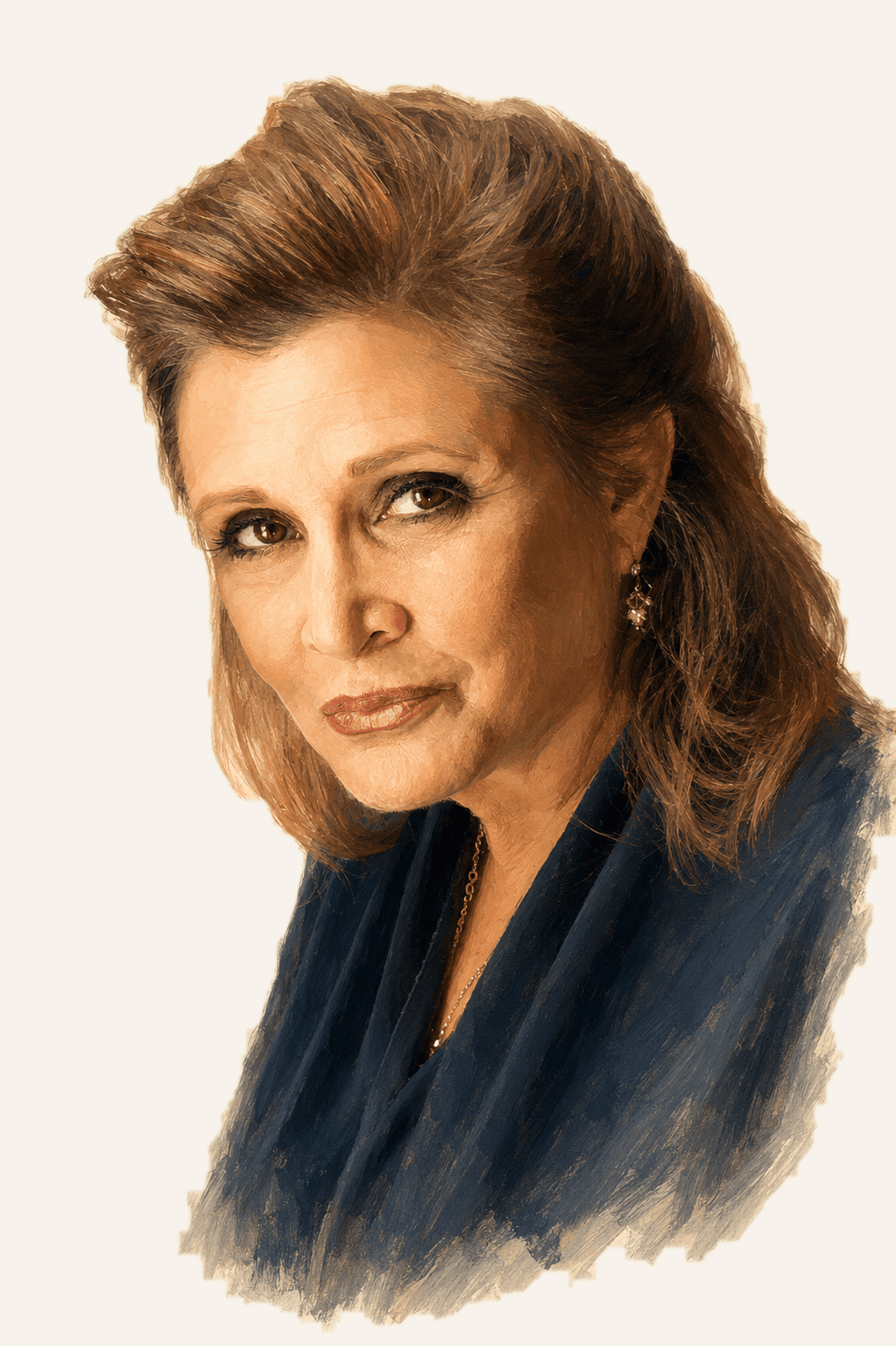
Katherine Ponte is a Canadian lawyer, mental-health advocate and nonprofit founder. She founded ForLikeMinds, a peer-support community focused on mental-illness recovery, and is an Assistant Clinical Professor of Psychiatry at Yale School of Medicine. [1]

More people like Katherine Ponte

Career and work

Ponte earned a law degree from Osgoode Hall Law School in 1994 and worked as a lawyer for approximately five years, including legal work in Canada and Brazil. She later earned an MBA from the Wharton School of the University of Pennsylvania in 2001 and subsequently worked in business, finance and entrepreneurship. [8][1]

Beginning in 2018, Ponte shifted much of her work toward mental-health recovery and peer support. She founded ForLikeMinds, an online community for people living with mental illness and those supporting them, and later developed additional initiatives including BipolarThriving and Psych Ward Greeting Cards. [1]

Ponte joined the Yale School of Medicine faculty in 2021 and is now an Assistant Clinical Professor of Psychiatry. Her work at Yale has included research on peer-support interventions and services affecting people living with mental illness. She has also written several books and workbooks focused on mental-health recovery. [1]

What has been publicly discussed

  • Ponte first received a bipolar diagnosis while attending graduate school at Wharton. She has said that the diagnosis was delivered quickly and with little explanation, and that she initially rejected it. [2]
  • She has described rejecting the diagnosis and not consistently engaging with treatment for about six years afterward. In 2006, a severe manic episode led to her first involuntary psychiatric hospitalization. During that hospitalization, she was diagnosed again and says she “reluctantly accepted” a diagnosis of bipolar I disorder. [2]
  • Ponte later began discussing her diagnosis publicly as part of her mental-health advocacy, including through ForLikeMinds and first-person writing about living with bipolar I disorder. [1]
  • Ponte has described experiencing severe manic episodes with psychosis, including delusions that felt completely real to her at the time. During a major episode in 2006, she became convinced that the world was approaching catastrophe and that she had a special responsibility to help prevent it. She later described how ordinary events and news stories became incorporated into an increasingly elaborate alternate reality. [3]
  • Her illness has also included prolonged periods of bipolar depression and repeated crises requiring hospitalization. Ponte has said that psychiatric episodes disrupted her work, relationships and personal goals, and that she was involuntarily hospitalized three times. [8][1]
  • She has written critically about some of those hospital experiences, including forced medication and seclusion. She has also described feeling abandoned and isolated when family and friends withdrew during periods of hospitalization. [8][10]
  • Ponte has described periods when treatment controlled her mania but left her struggling with significant side effects and depression. After one hospitalization, she was prescribed 600 mg of quetiapine daily, which she said caused profound sedation—she slept for more than 12 hours and remained groggy during the day. Although the medication helped control acute symptoms, she felt that being stable was being defined too narrowly as simply no longer being manic. [9]
  • Over time, Ponte has described becoming more actively involved in decisions about her care. She has emphasized finding a psychiatrist willing to address both mania and bipolar depression, working collaboratively with her treatment team and caregiver, and finding a medication regimen that allowed her to function rather than merely remain symptom-free. [4]
  • She has also identified peer support as an important part of her treatment and recovery. Following her third involuntary hospitalization, connecting with other people who had lived experience of serious mental illness helped her develop greater hope and take a more active role in her own care. [1]
  • Ponte has described reaching sustained stability after many years of severe illness. She has described reaching stability in 2014, remission in 2016 and recovery in 2018. [2]
  • She has said that accepting the diagnosis, prioritizing her health, involving her spouse in her care and building a medical team were central to that change. She has also emphasized that recovery, for her, meant being able to pursue goals and build a meaningful life rather than simply being free of acute symptoms. [7][2]
  • Ponte has described recovery as ongoing rather than permanent or complete. In a first-person account, she wrote that there is no cure for bipolar disorder and that maintaining recovery continues to require support and active management. [5]
  • Ponte’s advocacy is centered on recovery, peer support and reducing stigma around serious mental illness. After reaching sustained recovery, she began using her lived experience to help other people with mental illness and their families develop hope, practical strategies and a stronger role in their own care. [1]
  • She founded ForLikeMinds, an online peer-support community for people living with mental illness and those who support them. She has said that peer support was important in her own recovery and has made it a central principle across her advocacy, coaching and research work. [1]
  • Ponte also created Psych Ward Greeting Cards, a nonprofit outreach program that sends supportive messages to people in psychiatric hospitals. She has described the project as a way of countering the isolation and stigma that can accompany hospitalization and reinforcing the idea that recovery is possible. [8]

“Because hope can conquer stigma. Recovery is real.”

Katherine Ponte [9]
Sources and other resourcesExpand to view the sources used in this profile and resources to learn more.

Sources used for this profile

The following sources contain information that supports the claims made on this page.

  1. Yale School of MedicineKatherine Ponte

    Provides Ponte’s professional background, faculty role, lived experience with bipolar I disorder, peer-support work, ForLikeMinds and Psych Ward Greeting Cards.

    profile or biography
  2. Decera Clinical EducationPatient Perspective – Bipolar Disorder

    A detailed first-person account of Ponte’s diagnosis, initial rejection of bipolar disorder, later hospitalization, acceptance of a bipolar I diagnosis and experiences with treatment and recovery.

    article or webpage
  3. NAMIMy Reality During a Psychotic Episode

    Ponte’s first-person description of psychosis during a manic episode, including how delusional beliefs developed and felt convincing at the time.

    article or webpage
View all 10 sources
  1. NAMIThe Stages of My Mental Illness

    A first-person account of Ponte’s illness and recovery, including her view that recovery requires continued management rather than representing a cure.

    article or webpage
  2. The Stability NetworkKatherine Ponte

    A first-person profile addressing diagnosis, treatment, the role of her spouse and care team, and her understanding of recovery as building a meaningful life.

    profile or biography
  3. Schizophrenia BulletinStigma, Meet Hope

    A first-person article by Ponte about severe mental illness, hospitalization, recovery, peer support and the importance of hope. It provides the quotation used in the profile.

    profile or biography
  4. NAMIarticle or webpage

Learn more

Recommended books and other resources about Katherine Ponte and their experiences.

More people like Katherine Ponte

The Bipolar Biography Project is an educational project. We document what people have said publicly and provide sources for transparency. We do not provide medical advice.

Profile status: Published