The Bipolar Biography Project
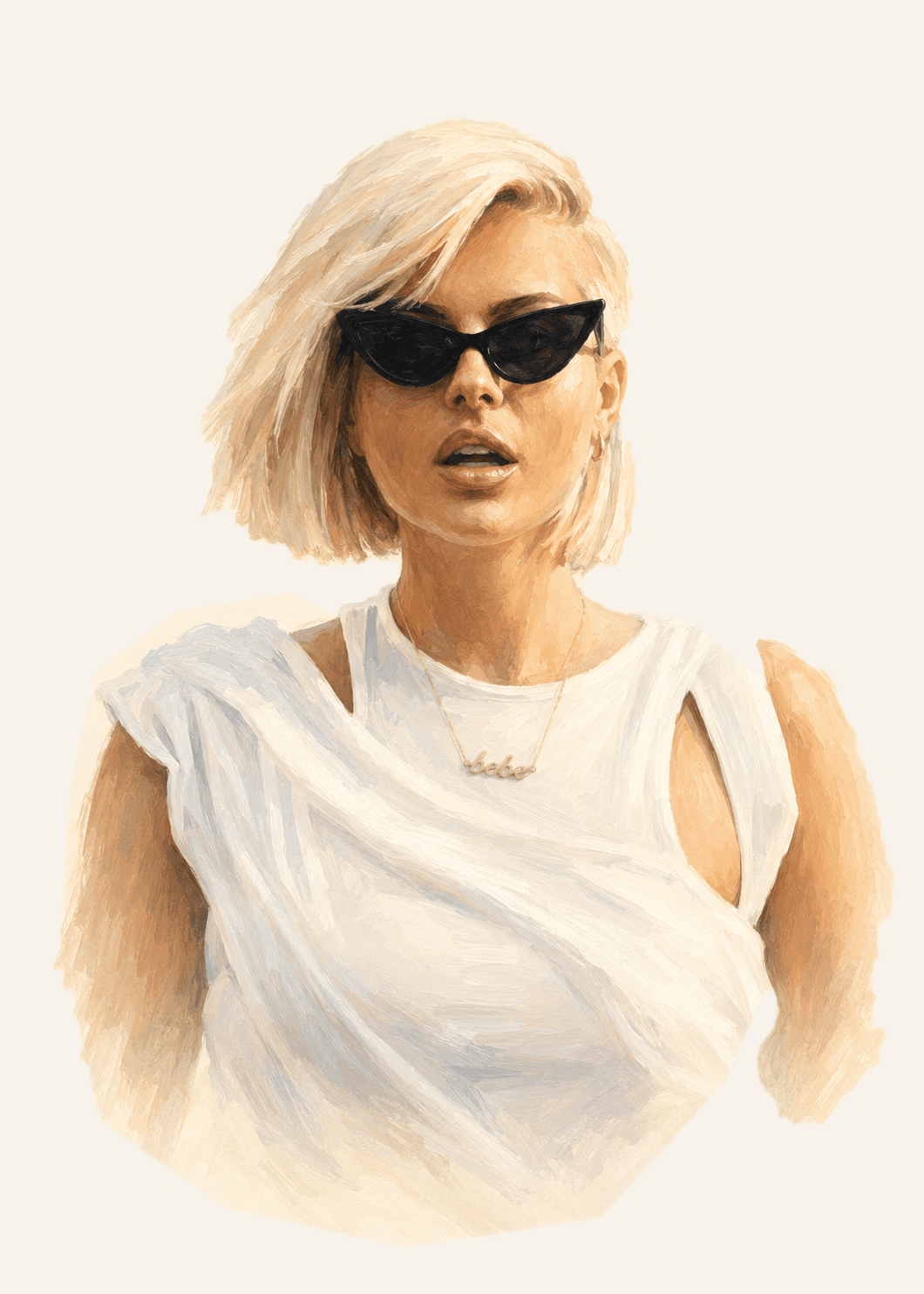
Painted portrait of Bebe Rexha
Photo: MTV International · CC BY 3.0 · Cropped and modified by The Bipolar Biography Project

Bebe Rexha

SingerUnited States

SingerUnited States

Bipolar I disorderSelf-disclosed[1]

Bebe Rexha is an American singer whose career includes both recording her own music and writing songs for other artists. She co-wrote Eminem and Rihanna’s Grammy-winning “The Monster,” released her debut album Expectations in 2018, and has received four Grammy nominations. [3]

More people like Bebe Rexha

Career and work

Rexha first became established in the music industry through songwriting, contributing to songs recorded by other artists. Her credits include co-writing Eminem and Rihanna’s “The Monster,” and her songwriting credits also include songs recorded by David Guetta and Selena Gomez. She later gained wider recognition as a performer through collaborations such as “Me, Myself & I” with G-Eazy and “In the Name of Love” with Martin Garrix. [4]

She released her debut studio album, Expectations, in 2018. Her collaboration with Florida Georgia Line, “Meant to Be,” spent 50 weeks at No. 1 on Billboard’s Hot Country Songs chart and also reached the top five of the Billboard Hot 100. Later collaborations with David Guetta, including “I’m Good (Blue)” and “One in a Million,” earned additional Grammy nominations. Rexha has received four Grammy nominations in total. [3][5]

What has been publicly discussed

  • Rexha publicly disclosed that she had been diagnosed with bipolar disorder in April 2019. In a series of posts on Twitter, she said that the diagnosis helped explain periods of severe lows as well as periods when she could not sleep and felt driven to keep working or creating music. [2]
  • In a 2020 interview with SELF, Rexha said she had initially been afraid of receiving a psychiatric diagnosis and was reluctant to know exactly what was wrong. She described eventually asking her therapist directly whether she had bipolar disorder. She said that going public helped free her from feeling imprisoned by the diagnosis and by fears that she was not normal. [1]
  • Rexha has described experiencing both severe depressive lows and periods of unusually elevated energy. During depression, she said she sometimes did not want to leave her house and compared trying to pull herself out of it to “trying to pull a train.” At other times, she became extremely energetic and restless, texted people excessively, struggled to control her emotions and spent large amounts of money. [1]
  • Rexha has also described experiencing disturbing and impulsive thoughts during periods when she was unwell. In one interview, Rexha recalled sitting in the passenger seat of a car and having an urge to open the door and jump out. She said that the intensity and unpredictability of her moods eventually contributed to her decision to seek treatment. [1]
  • Rexha has said that working in the music industry and being in the public eye can intensify the difficulties associated with her mood changes. She described needing to be careful about situations that can destabilize her and said that the possibility of being thrown off emotionally can be frightening. [1]
  • Rexha has said that she initially delayed taking medication because she was afraid it would change her personality or interfere with her creativity. She later began medication under the care of a psychiatrist and said that it helped her feel more balanced and reduced the intensity of her mood changes without making her feel less like herself. [1]
  • She has also described therapy as an important part of her treatment. Rexha said that she eventually found a therapist who was a good fit and later worked with both a therapist and psychiatrist while learning to understand and manage her bipolar disorder. [1]
  • Rexha has said that treatment did not eliminate sadness or anxiety completely, but that it helped her feel significantly better and more centered in everyday life. [1]
  • Rexha has described treatment as helping her live with fewer extreme shifts in mood and giving her more ability to recognize and manage her reactions. She said treatment and growing older had helped her become more patient and better able to “check” herself when her reactions were becoming difficult to control. [1]
  • She has not described bipolar I disorder as something that has disappeared. Rexha said she still experiences emotional ups and downs and has to be careful about situations that can destabilize her, particularly the pressures of touring and public life. She has also described support from family and friends, exercise and other self-care practices as parts of managing her mental health. [1]
  • Rexha has said that one reason she chose to speak publicly about bipolar I disorder was to reduce the shame surrounding psychiatric diagnoses. She described initially fearing that the diagnosis would make other people see her differently. She later said that she did not want fears about being seen as abnormal or “crazy” to imprison her or keep her silent. [1]
  • She has said that she hopes her openness can help other people going through difficult periods feel less imprisoned by their own experiences. Rexha has framed openness about her diagnosis as part of accepting that bipolar disorder is something she lives with, rather than something that defines her identity. [1]

“It’s something that I’m going through, but it’s not me.”

Bebe Rexha [1]
Sources and other resourcesExpand to view the sources used in this profile and resources to learn more.

Sources used for this profile

The following sources contain information that supports the claims made on this page.

  1. GRAMMY.comBebe Rexha

    Provides career information, including her co-writing credit on Eminem and Rihanna’s “The Monster,” the release of her debut album Expectations and her four Grammy nominations.

    article or webpage
View all 5 sources

Learn more

Recommended books and other resources about Bebe Rexha and their experiences.

More people like Bebe Rexha

The Bipolar Biography Project is an educational project. We document what people have said publicly and provide sources for transparency. We do not provide medical advice.

Profile status: Published