The Bipolar Biography Project
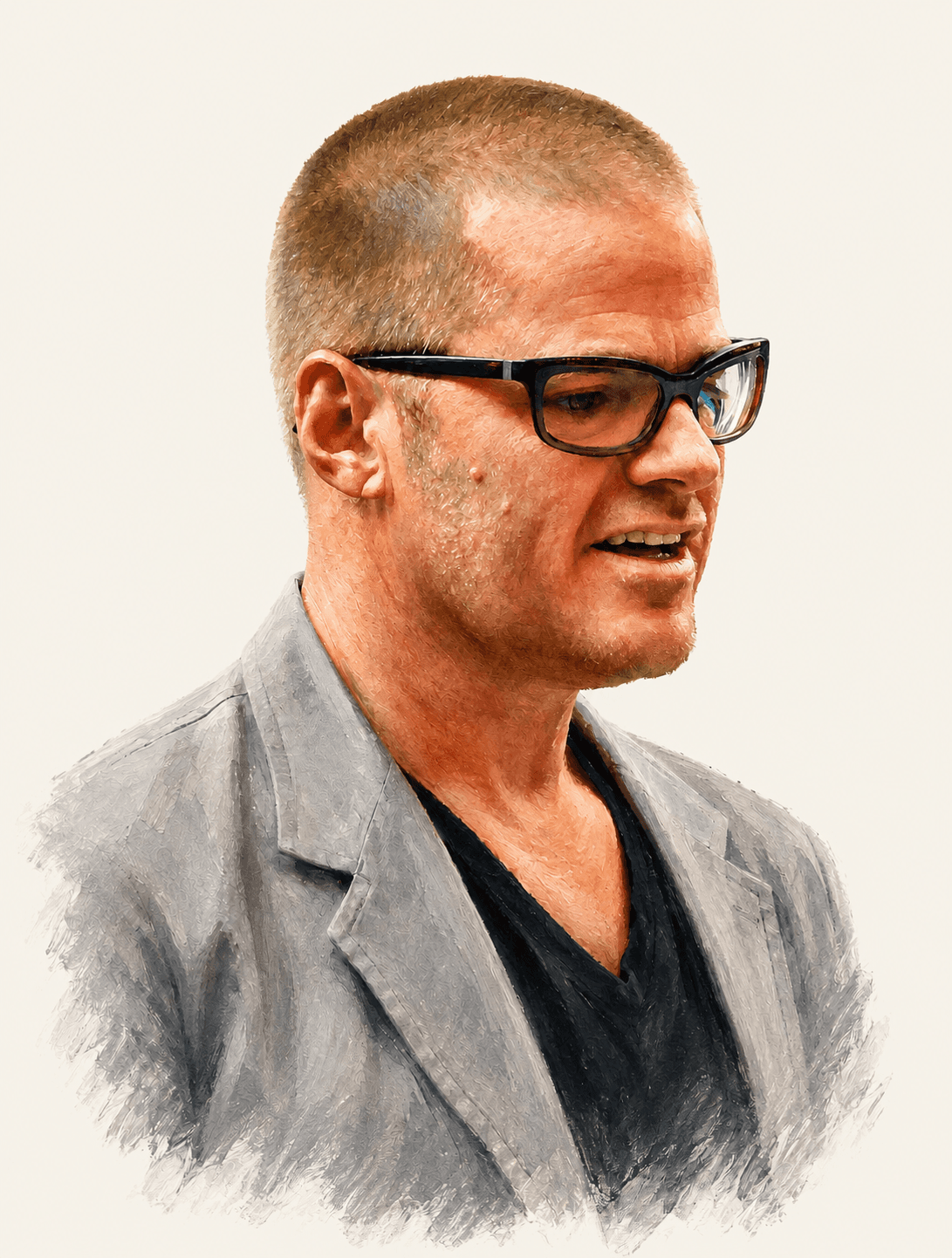
Painted portrait of Heston Blumenthal
Photo: Garry Knight · CC BY-SA 2.0 · Cropped and modified by The Bipolar Biography Project

Heston Blumenthal

ChefUnited Kingdom

ChefUnited Kingdom

Bipolar I disorderSelf-disclosed[3]

Heston Blumenthal is a British chef best known for The Fat Duck, the three-Michelin-starred restaurant he opened in Bray in 1995. A self-taught chef, he became known for an experimental approach to cooking that draws on science, perception and multisensory experience; The Fat Duck was named the world’s best restaurant in 2005. [1]

More people like Heston Blumenthal

Career and work

Blumenthal is a self-taught chef who opened The Fat Duck in Bray, Berkshire, in 1995. The restaurant earned its first Michelin star in 1999 and its third in 2004, becoming one of the fastest restaurants to reach three-star status. It was named the world’s best restaurant by The World’s 50 Best Restaurants in 2005. [5]

He became known for combining cooking with scientific experimentation and the psychology of taste. His work helped popularize techniques and ideas including triple-cooked chips, sous-vide cooking, liquid nitrogen, flavour pairing and multisensory dining. [6]

Blumenthal has also written cookbooks, presented television programs about food and science, and expanded his restaurant work beyond The Fat Duck, including Dinner by Heston Blumenthal. His influence has extended well beyond his own restaurants through his emphasis on questioning traditional assumptions about how food is prepared and experienced. [3]

What has been publicly discussed

  • Blumenthal was diagnosed with bipolar disorder following a severe manic episode and hospitalization in late 2023; later reporting identified his diagnosis as bipolar I disorder. His behaviour had become increasingly extreme and difficult for those around him to manage. [3]
  • He has said the diagnosis helped him make sense of experiences that had previously seemed confusing or destructive. He began speaking publicly about the diagnosis soon afterward, describing it as both life-changing and, in some ways, a relief because it gave him a clearer understanding of his behaviour and mental state. [7]
  • Blumenthal has described years of unusually intense energy and creativity, including periods when he worked extremely long hours and slept very little. Looking back after his diagnosis, he said that these periods may have reflected the elevated side of his bipolar disorder, although for many years he experienced them primarily as productive and exciting. [2]
  • By late 2023, his condition had become much more severe. He experienced a manic episode marked by very little sleep, suicidal thoughts and hallucinations, including seeing a gun that was not there. His wife ultimately arranged for him to be sectioned. He spent 20 days on a psychiatric ward followed by a further 40 days at a clinic. [3]
  • After being hospitalized, Blumenthal received psychiatric treatment and began taking medication for bipolar disorder. He has said that treatment helped bring the manic episode under control and gave him a clearer understanding of what had been happening. [3]
  • He has also described becoming more attentive to sleep, stress and early warning signs that his mood may be shifting. Because sleep loss had been closely tied to his manic episodes, protecting his sleep has become an important part of managing the condition. [2]
  • Blumenthal has described the period since his hospitalization as one of gradual stabilization rather than complete recovery. He has said that medication has reduced the extremes of his mood, while giving him greater clarity and helping him think more clearly. [7]
  • He has also begun returning more actively to work at The Fat Duck and has described feeling happier and more connected to his family. At the same time, he continues to monitor his mood and sees bipolar disorder as an ongoing part of his life rather than something that has disappeared. [8]
  • Since disclosing his diagnosis, Blumenthal has spoken publicly about bipolar disorder with the aim of making the condition easier to discuss and better understood. He has described the diagnosis as something that helped him reinterpret parts of his life without reducing his identity to an illness. [3]
  • In 2025, he took part in the BBC documentary Heston: My Life with Bipolar, which explored his manic episode, hospitalization, diagnosis and adjustment to life with bipolar disorder. He has also emphasized the importance of recognizing warning signs and getting help earlier, particularly when sleep and behaviour begin to change dramatically. [9]

“It’s part of who I am.”

Heston Blumenthal [3]
Sources and other resourcesExpand to view the sources used in this profile and resources to learn more.

Sources used for this profile

The following sources contain information that supports the claims made on this page.

  1. The Fat DuckHeston Blumenthal

    Provides biographical and career information, including Blumenthal’s self-taught background, three Michelin stars, recognition by The World’s 50 Best Restaurants, and his bipolar diagnosis.

    Biography
View all 9 sources
  1. BBC, 2025Heston: My Life with Bipolar

    Blumenthal’s documentary about his manic episode, hospitalization, diagnosis, treatment and efforts to rebuild his life, as well as the wider challenges faced by people with bipolar disorder.

Learn more

Recommended books and other resources about Heston Blumenthal and their experiences.

More people like Heston Blumenthal

The Bipolar Biography Project is an educational project. We document what people have said publicly and provide sources for transparency. We do not provide medical advice.

Profile status: Published