Career and work
What has been publicly discussed
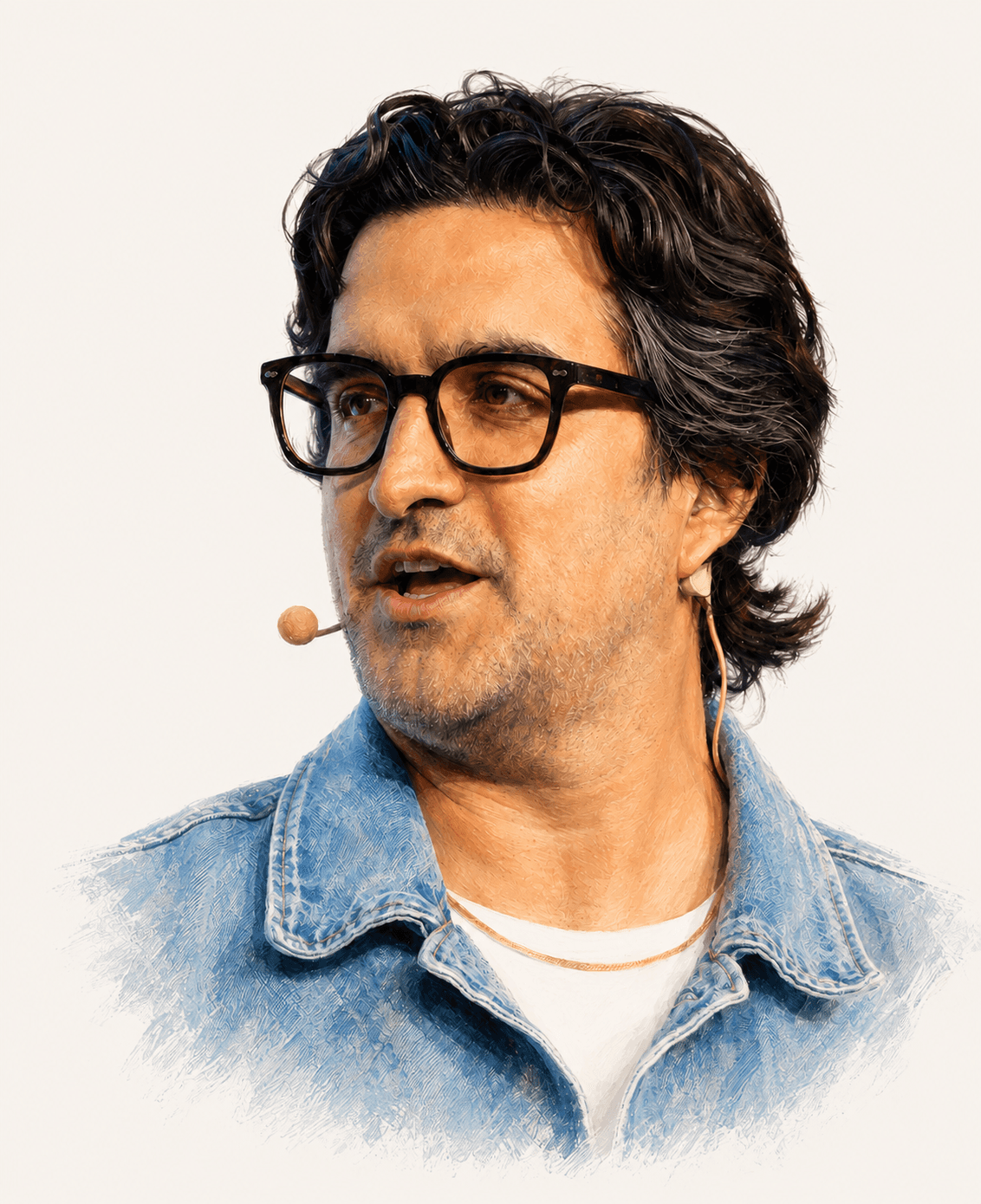
- Dunn has said that his first major manic episode occurred when he was 20 and a student at Northwestern University. During the episode, he experienced psychosis and believed he was the Messiah. He was hospitalized and diagnosed with bipolar I disorder. [3][1]
- Afterward, Dunn and his family hoped that the episode might never happen again. For many years, he kept the diagnosis largely private while building his career. [1]
- He wrote publicly about the illness in his 2022 memoir, Burn Rate: Launching a Startup and Losing My Mind. [5]
- Dunn has described periods of hypomania and depression as well as severe manic episodes involving psychosis. [4]
- During a severe episode in 2016, Dunn became violent toward people close to him. The incident led to hospitalization and a brief period in jail. Dunn has written about it as a major turning point in his decision to take treatment more seriously. [4][1]
- Dunn has also described a brief psychotic episode after losing sleep, during which he developed unusual beliefs and was taken to hospital. [1]
- Dunn has said that sleep loss can be an important warning sign for him. He has also spoken about how some features of hypomania can initially feel useful in entrepreneurship while severe mania can become destructive and dangerous. [3]
- Dunn has said that he takes medication and attends regular psychotherapy. He has described a long process of finding medication that worked for him. [2][1]
- He closely monitors his sleep and shares information about his condition with his doctor and people close to him so that they can help identify problems early. [3]
- Dunn has said that he has attended hundreds of psychotherapy sessions. [2]
- Dunn continued leading Bonobos after serious episodes of illness and remained CEO through its acquisition by Walmart. [5]
- He later returned to entrepreneurship and investment, including founding Pie. [6]
- Dunn continues to actively manage bipolar disorder with medication, psychotherapy, close attention to sleep and support from people close to him. [3]
- Dunn has spoken publicly about the pressure to hide serious mental illness in business and entrepreneurship. He has argued that greater openness could make it easier for people to seek treatment without fearing damage to their careers. [2]
- Dunn has spoken about how some features of hypomania can feel useful in entrepreneurship while also emphasizing the serious risks of untreated bipolar disorder. [8]
“Entrepreneurs are not gods, even when we think we are.”
— Andy Dunn [9]
Sources and other resourcesExpand to view the sources used in this profile and resources to learn more.
Sources used for this profile
The following sources contain information that supports the claims made on this page.
TechCrunchAndy Dunn on bipolar disorder and Burn Rate Covers his first episode, diagnosis, later episodes and decision to speak publicly.
article or webpageWondermindAndy Dunn Dunn discusses treatment, psychotherapy and disclosure.
article or webpageStanford Graduate School of BusinessAndy Dunn Dunn discusses bipolar disorder, treatment, sleep and family involvement.
article or webpage
View all 9 sources
NPRAndy Dunn A long-form interview about entrepreneurship, hypomania, depression and severe manic episodes.
article or webpagePenguin Random HouseBurn Rate Publisher information about Dunn's memoir and career.
article or webpageRed Swan VenturesAndy Dunn Covers Dunn's investing work and Pie.
article or webpageTEDTEDarticle or webpage TechCrunchTechCruncharticle or webpage TEDTEDarticle or webpage
Learn more
Recommended books and other resources about Andy Dunn and their experiences.